Off the Clock Work: Keep Hiring Tasks Inside the Shift
A judge revived the Bojangles shift manager off the clock pay case. Here is how small employers keep hiring tasks on paid time, with DOL rules explained.
By ReadyATS Team · · 5 min read

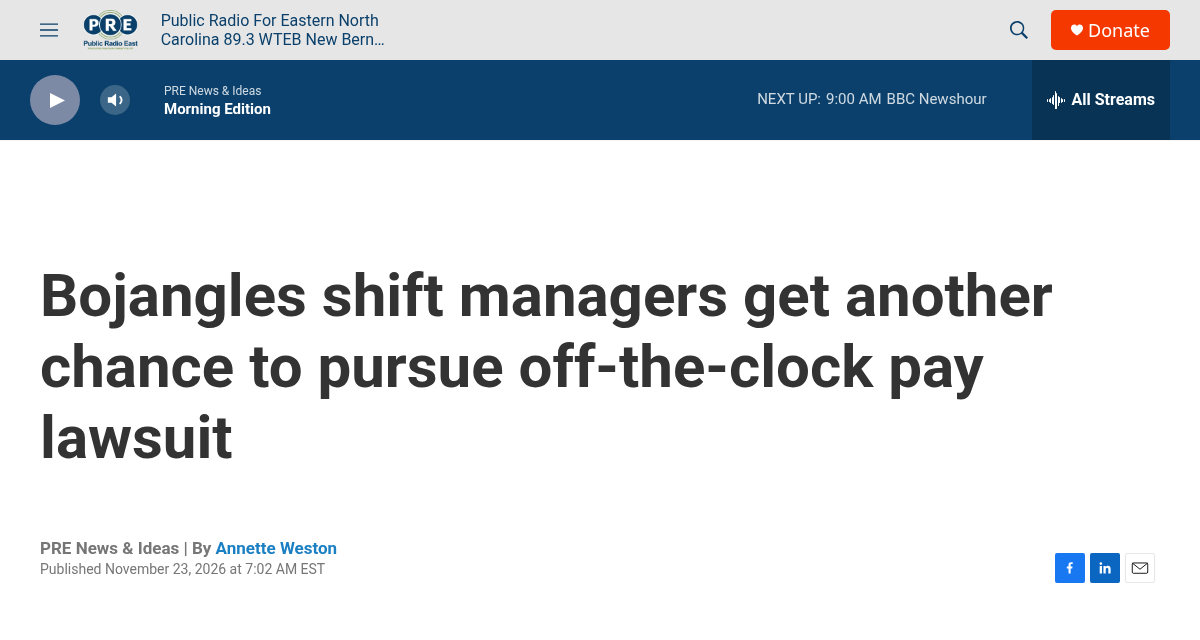
A federal judge in North Carolina is again letting Bojangles shift managers pursue a class action over off the clock work. The employees claim they had to do tasks before and after their scheduled shifts, and that some managers altered time records to avoid paying overtime (PRE News & Ideas, November 23, 2026). An appeals court had earlier overturned the class certification as too broad. The case dates to 2020, covers workers in North Carolina and South Carolina, and the new ruling does not decide whether the chain broke any wage law.
Why now: the claims are only allegations, but the pattern they describe is common in small restaurants and shops. Shift leads finish the real work after the clock stops. Hiring is one of the easiest tasks to push there: reading applications at home, texting candidates at night, or holding an interview after close. This post pairs with our guide to writing an interview invitation email that books candidates into the right time slot.
What counts as hours worked
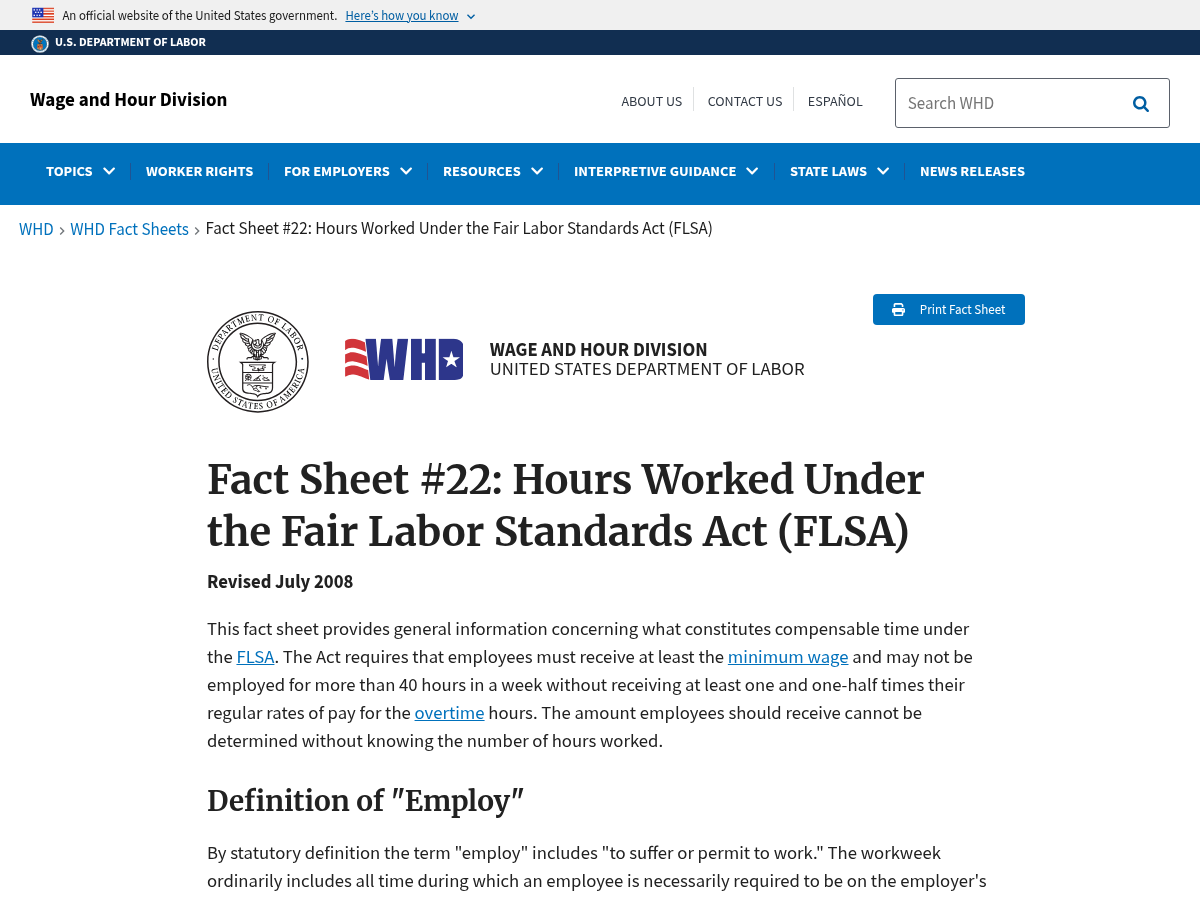
The U.S. Department of Labor explains the basics in Fact Sheet #22: Hours Worked Under the FLSA. Three points matter most for hiring work:
- "Suffered or permitted" work is paid work. The DOL says work an employer did not request but allowed is work time that must be paid. Its example is an employee who stays after the shift to finish an assigned task. "The reason is immaterial."
- The workday can run past the schedule. The fact sheet says the workday may be longer than the employee's scheduled shift.
- A "break" with duties is not a break. An employee who eats at a desk and keeps answering the phone is working, and that time must be paid.
The federal law sets a minimum wage and requires time and a half for hours over 40 in a workweek for covered, nonexempt employees. Who is exempt depends on the job and pay, and state rules can add more. Check with your own adviser before you change how a role is classified.
Where hiring work slips off the clock
Hiring rarely shows up on a shift schedule, so it fills the gaps. Watch for these four habits:
- Screening applications at home. A shift lead scrolls through new applicants on a personal phone after work.
- Texting candidates at night. Interview times get set in a personal text thread long after close.
- Interviews before open or after close. The only quiet hour in the store is the hour nobody is paid for.
- Paperwork on a day off. Offers, references and new-hire forms wait until the manager has "free time."
Each one can turn into unpaid work for a nonexempt lead. It also slows hiring, because candidates wait until someone has spare time.
Five ways to keep hiring on paid time
1. Put hiring on the schedule
Give each lead a set hiring block, such as 30 minutes during the mid-afternoon lull, and record it as paid time.
2. Book interviews into shift hours
Offer interview slots only during times the interviewer is on the clock. A short video call in a quiet back office beats an unpaid meeting after close.
3. Keep candidate messages off personal phones
Use one shared hiring inbox or system so messages do not live in personal text threads. That also keeps the record with the business when a lead moves on.
4. Write a clear policy and train on it
Tell leads in writing that hiring work outside a scheduled shift must be recorded and paid, and that nobody may edit time records to remove it.
5. Audit a sample of timecards each month
Compare interview times and message times with clock-in records. Gaps show you where hiring is leaking past the schedule.
A hypothetical example
A hypothetical two-location sandwich shop has three shift leads who each handle hiring. The owner sets a 45-minute hiring block during every weekday lull, opens interview slots only inside that block, and moves all candidate contact into one hiring system. Leads stop texting applicants from home, and the owner checks a few timecards against interview times each month.
Why ReadyATS
ReadyATS gives a small team one place to run hiring during working hours, so it does not spill into evenings:
- Interview scheduling with Google Meet or Zoom. Pick the provider when you schedule and the link is created on the spot, shown in the invitation and sent to the candidate by email and text. A reminder text goes out an hour before, and if you reschedule or cancel, the meeting follows.
- Unlimited users at $0 per user, so every shift lead can work from a business login instead of a personal phone.
- Checkr background checks from the candidate page on the Pro plan, plus Checkr Identity Verification through the same integration, so screening steps sit in the same record.
See how restaurant teams use it on our QSR hiring page. No long-term commitment, cancel anytime.
Hiring work is real work. Give it a place on the schedule and a place in your system.
Starting ReadyATS in 15 min Now
FAQ
What is off the clock work?
It is work an employee does without being paid for the time, such as tasks before or after a scheduled shift. The DOL says work an employer suffers or permits must be paid, even if it was not requested.
Is answering candidate texts after a shift considered work?
For a nonexempt employee, hiring tasks done for the business can count as hours worked. The safest approach is to keep hiring tasks inside scheduled, recorded time.
What did the Bojangles ruling decide?
A federal judge again allowed shift managers to pursue their off the clock claims as a class action. The ruling does not decide whether the chain violated wage laws.
How can a small business schedule interviews during shifts?
Set a recurring hiring block for each interviewer and offer candidates only the slots inside it. Short video interviews by Google Meet or Zoom make this easier.