A $45,000 Job Ad: How to Keep Your Job Posts Age-Neutral
On November 17, 2026, the EEOC announced that a Miami hotel marketing agency agreed to pay $45,000 to a deterred applicant after a job ad targeted people under 40. How small businesses can write age-neutral job posts.
By ReadyATS Team · · 5 min read

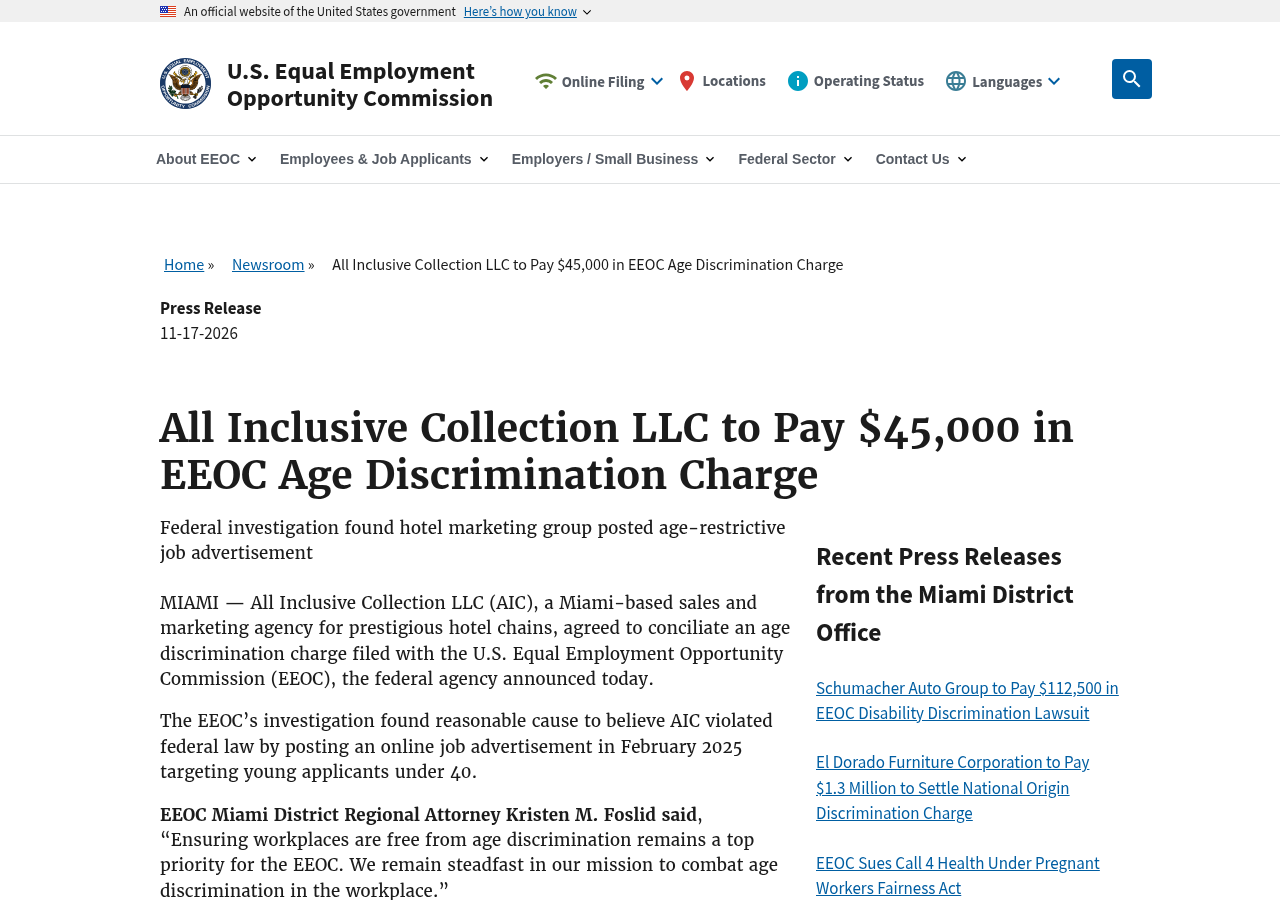
One online job ad has now cost a small hotel marketing firm $45,000. On November 17, 2026, the U.S. Equal Employment Opportunity Commission announced that All Inclusive Collection LLC, a Miami-based sales and marketing agency for hotel chains, agreed to resolve an age discrimination charge. The EEOC's investigation found reasonable cause to believe the company violated federal law by posting an online job advertisement in February 2025 that targeted applicants under 40 (U.S. EEOC, November 17, 2026).
Why now: many small businesses are writing job posts for January right now. A single phrase in a post can become evidence, even when no one is interviewed. Before your next ad goes live, it is worth a five minute check. This guide sits inside step 2 of our hiring process steps: write the job description.
What the EEOC announced
According to the EEOC press release:
- The charge: an online job ad posted in February 2025 that targeted young applicants under 40, which the EEOC said violates the Age Discrimination in Employment Act (ADEA).
- The payment: $45,000 in damages to a deterred applicant, which the EEOC said reflects a year of the job's earnings.
- The other terms: the company agreed to update its internal policies, train all management and non-management employees on the ADEA, and report to the EEOC on future job postings.
- How it ended: the charge was resolved in the EEOC's pre-litigation conciliation process, without a lawsuit.
Notice who was paid: a deterred applicant. That is a person who saw the ad and was put off from applying. The ad itself did the damage.
What does the law say about age discrimination in job postings?
The ADEA forbids age discrimination against people who are age 40 or older, and it covers employers with 20 or more employees (EEOC, Age Discrimination). The EEOC also notes that some states have laws protecting younger workers, so check your state rules too.
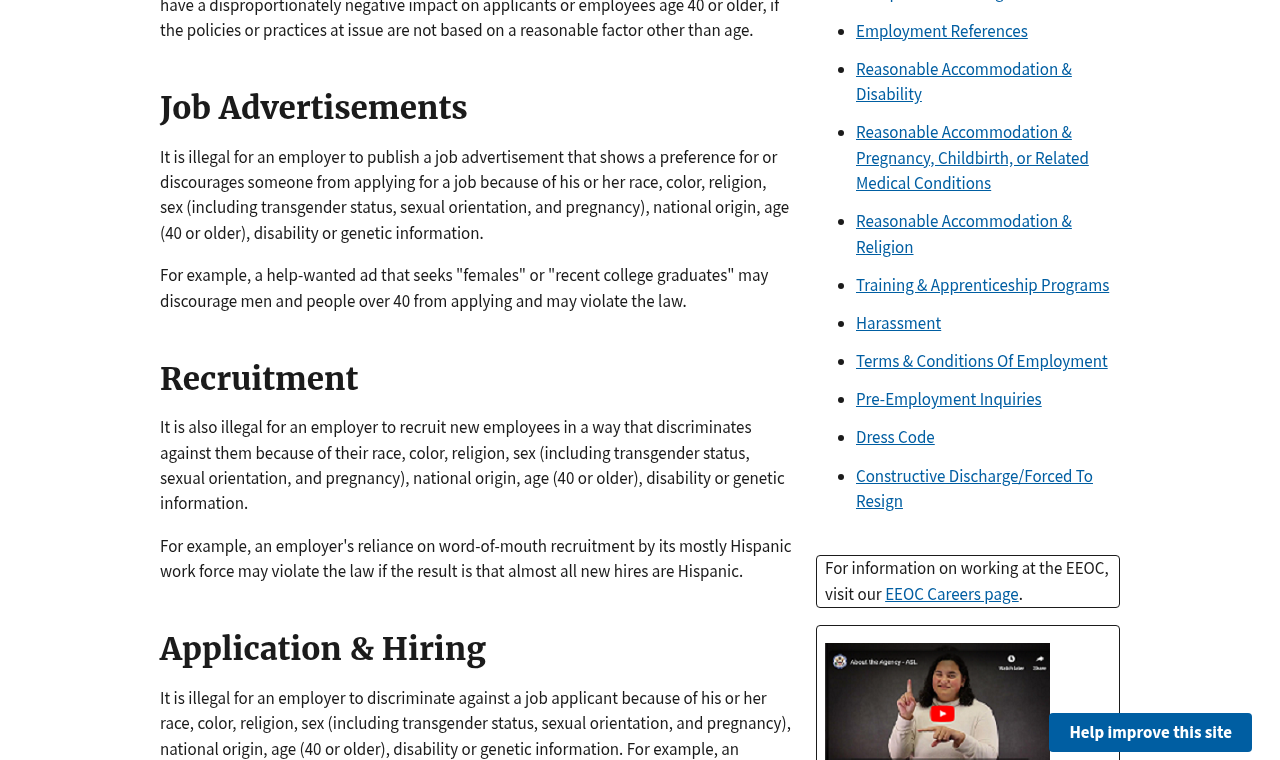
On job ads specifically, the EEOC is direct. It is illegal to publish a job advertisement that shows a preference for, or discourages someone from applying because of, age (40 or older) or other protected traits. The EEOC's own example: an ad that seeks "recent college graduates" may discourage people over 40 from applying and may violate the law (EEOC, Prohibited Employment Policies/Practices).
Timing matters too. A person generally has 180 days to file a charge with the EEOC, and state laws may extend that window.
A five minute age check for every job post
This is a practical routine, not legal advice. If you are unsure about a post, ask an employment attorney.
1. Delete any age, stated or implied
Remove age ranges and phrases that point to one generation. "Recent college graduates" is the EEOC's own example. In our view, wording such as "young team," "digital native" or "fresh energy" sends the same signal. Describe the work instead.
2. Swap years for skills
"Two years of front desk experience" can be fair. A ceiling such as "no more than five years of experience" can screen out older applicants. List the tasks and the tools, and let candidates show they can do them.
3. Check your photos and channels
A post can signal a preference through its images and where it runs. If every photo shows one age group, or you only post in one place that reaches one age group, widen it.
4. Ask the same questions of everyone
The EEOC says pre-employment questions should be limited to what you need to decide whether a person is qualified, and that questions related to age may be used as evidence of intent to discriminate unless a business purpose justifies them (EEOC). In practice, skip birth dates and graduation years on the application, and use the same screening questions for every candidate.
5. Have a second person read it
Before a post goes live, a second reader catches what the writer misses. Make this a rule, not a favor.
6. Keep a copy of what you posted
Save the final text and where it ran. If a question ever comes up, you can show exactly what candidates saw.
A hypothetical example
A hypothetical 25 person catering company needs event staff for a busy January. The manager's first draft asks for "young, high-energy servers." Before posting, the owner reads it, changes the line to "comfortable on your feet for six hour events and carrying full trays," and saves the final version. The applicant pool now includes a retired restaurant captain with 20 years of banquet experience, who becomes the team lead.
Why ReadyATS
An age-neutral post brings in a wider pool. The next job is treating that pool the same way. ReadyATS helps a small team do that:
- Live interviews by Google Meet or Zoom, so you can meet every qualified applicant quickly, wherever they are.
- Checkr background checks built in, so every finalist goes through the same screening step.
- Checkr Identity Verification through the same integration, so you confirm a candidate is who they say they are before an offer.
No long-term commitment, cancel anytime, so you can set it up before your January hiring and keep it only if it works for you.
The best person for your next opening may be 25 or 65. Write the post so both of them apply.
Starting ReadyATS in 15 min Now
FAQ
Can age discrimination in job postings happen even if no one was rejected?
Yes. The EEOC says it is illegal to publish a job ad that shows a preference for, or discourages someone from applying because of, age 40 or older. In the case announced November 17, 2026, the payment went to a deterred applicant.
Is "recent college graduates" allowed in a job posting?
The EEOC uses "recent college graduates" as an example of ad wording that may discourage people over 40 from applying and may violate the law.
Does the ADEA apply to small businesses?
The ADEA covers employers with 20 or more employees, according to the EEOC. Some states have their own age discrimination laws, so check your state's rules as well.
What did All Inclusive Collection agree to?
According to the EEOC, the company agreed to pay a deterred applicant $45,000, update its internal policies, train all management and non-management employees on the ADEA, and report to the EEOC on future job postings.